2026 - Determinants of Disability Poverty
The statistics on disability poverty in Canada are stark. In 2022, 1 in 6 disabled people lived in poverty, representing over 1.5 million people, and 1 in 3 disabled people living alone lived in poverty.[1] Not a single provincial/territorial social assistance payment reaches the poverty line, and only two are greater than the Deep Income Poverty Threshold.[2]
Perhaps the most shocking thing about these statistics is that few people know about the extent of disability poverty in Canada. However, this cannot continue to be true. We must call this out for the national emergency it is and work together to lift disabled people out of poverty.
Register Now
Agenda
Wednesday, December 2
12pm ET
Welcome and Land Acknowledgement
12:15pm ET
2SLGBTQIA+ Policy Design, Accessibility & those who live with Disabilities
Nick Mulé / Luca Gheorghica / Dani Hummel / Rubina Yeasmin
1pm ET
Administrative Accessibility
Moderator: Somaya Rajasekaran. Panelists: Christine Brunsden / Yvonne Spicer / Theresa Somerton / Chloe Halpenny
2pm ET
Financial Security
Shelley Petit / Jenna Kedy / Alexandra Creighton
3pm ET
Policy Design
Lori Vaanholt / Rayanne Banaga
Thursday, December 3
9am ET
Welcome and Land Acknowledgement
9:15 am ET
Launch of the 4th Annual Disability Poverty Report card
Rabia Khedr / Michelle Hewitt / Leila Sarangi
10am ET
Social Inequities
Lauren Tristani / Amanda Dimilta / Dr. Roya Haghiri-Vijeh / AJ Withers / Nadia Osman
11am ET
Political Will - Human Rights Complaints as a Tool for Disability Justice
Stephanie Chipeur
12pm ET
Town Hall Meeting – Creating the Political Will for Change
Rabia Khedr
Register Now
Please check back often as we update speakers!
Explore More at Our YouTube Show Premiere December 2!
Think From Community Gardens to Star Trek: Discover the Unexpected!
Our pre-recorded videos gives each contributor the opportunity to go deeper in their subject area than our panels allow, and brings together a wide assortment of topics, from a non-profit garden plot led by disabled people and donating to their food bank, to MAID Trek: How Star Trek can Change the MAiD Usage Outcome, and everything in between!
Caught in the Safety Net: You Qualify. Now Try Getting It.
Sarina Mawji
Clawbacks: how I became an accidental Activist
Quinn Smith-Windsor
Experiences of Systems Navigation in Alberta for Persons with Disabilities
Greg McMeekin
When Support Systems Become Barriers
Sheldon S. Crocker
Disability Recognition, Healthcare Access and Institutional Barriers
Rohini Peris
When Compensation Creates Problems
The Compensation And REcognition in health reSearch (CARES) research project team: Aleisha Fernandes with Grace Fox, Manoj M. Lalu, Dawn P. Richards, Laurie Proulx, Anna M. Chudyk, Dean A. Fergusson, Stuart G. Nicholls
My 'brain injury tax'
Lisa Engel with co-authors TBD
Beyond Income: Exploring the Relationship Between Poverty and Fetal Alcohol Spectrum Disorder
Hannah Denberg
Environmental Accessibility, Employment and Socioeconomic Exclusion
Rohini Peris
MAID Trek: How Star Trek can Change the MaID Usage Outcome
Ty Ragan
Videos will go live on December 2 on our YouTube channel.
We thank the Government of Canada for their support through the Official Language Support Program to enable us to provide translation and interpretation for this symposium.

[1] https://www.disabilitywithoutpoverty.ca/sites/default/files/2024-12/FIN…;
[2] https://maytree.com/changing-systems/data-measuring/welfare-in-canada/
Speakers
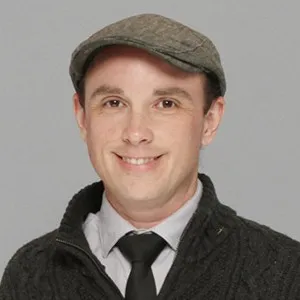
AJ Withers is a disabled housing, disability and social justice activist living in Nogojiwanong (Peterborough). They organized with the Ontario Coalition Against Poverty for 20 years and are the author of Disability Politics and Theory (Revised & Expanded Edition: Fernwood 2024) and Fight to Win: Inside Poor People’s Organizing (Fernwood, 2021). They are working with Our Homes Can’t Wait to examine homelessness and housing and how they are carceral (replicate prison-like characteristics) and at York University examining disability justice and data justice.

Aleisha Fernandes is a Methodologist in the Office for Patient Engagement in Research Activities (OPERA) hosted within The Ottawa Hospital Research Institute. In her role, she supports researchers in the engagement of patient partners throughout their project, as well as methods research in the field of patient engagement. Her background includes working with several institutions within different provinces on various projects that incorporate patient voices such as digital tools, resource creation, research, education, and policy.
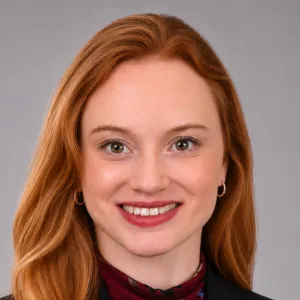
I am a PhD candidate in Health Policy at York University, specializing in disability policy and affordability. I hold a Master’s degree in Disability Studies from York University, where my thesis examined the development of a basic income for people with disabilities.
My professional experience includes serving as an accessibility policy advisor to Minister Carla Qualtrough, contributing to the development of the Accessible Canada Act, and working at Accessible Standards Canada on its implementation. I have also organized events for the Invictus Games and serve on the board of ParaSport Ontario. I am committed to advancing disability policy and improving the well-being of Canadians with disabilities.
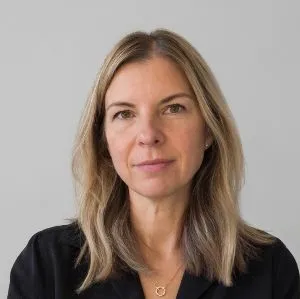
Amanda Dimilta is the Chief Advocacy, Policy and Community Engagement Officer at Autism Ontario. She provides strategic leadership in advocacy, government relations, and public policy, with a focus on addressing systemic barriers affecting autistic individuals and their families. Her work emphasizes evidence-informed advocacy, bringing together research, community perspectives, and organizational experience to inform policy priorities and advance equitable access to services and supports.
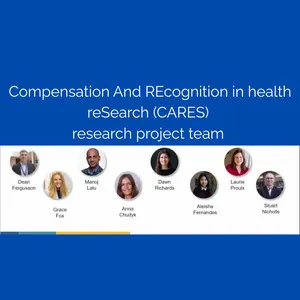
The Compensation And REcognition in health reSearch (CARES) research project team includes Stuart Nicholls, Laurie Proulx, Dawn Richards, Anna Chudyk, Manoj Lalu, Dean Fergusson, Grace Fox, and Aleisha Fernandes. This diverse group of individuals including patient partners, researchers, research administrative staff, and institutional leaders came together to explore the challenges that are faced in the process of offering, facilitating, and receiving patient partner compensation. Their presentation on their findings will be led by Aleisha Fernandes from the Ottawa Hospital Research Institute, as well as insight from Dr. Anna Chudyk, an Assistant Professor at the University of Manitoba, and Laurie Proulx, a patient partner.
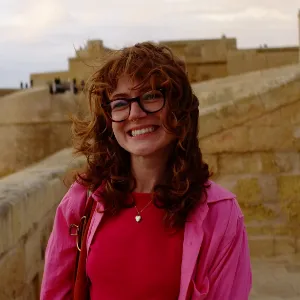
Chloe Halpenny (she/they) is a researcher and activist based on unceded, unsurrendered Algonquin Anishinaabe land, colonially known as Ottawa. Her work leverages feminist disability, critical policy, and anti-work scholarship to examine how poverty is conceived, experienced, and addressed, with a particular focus on cash transfer programs. Currently a PhD candidate at Queen’s University, her doctoral research critically explores the category of ‘disability’ as an eligibility criterion for the Ontario Disability Support Program (ODSP). In her spare time, she can be found in the woods, rehearsing a choir song, or on a long walk with her rescue dog Patty.
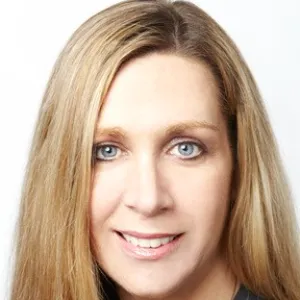
Christine Brunsden is a fiduciary professional with nearly 30 years of experience serving as an executor, trustee, guardian and power of attorney. She also brings lived experience with disability to her work. Since 2021, she has supported thousands of Disability Tax Credit applications through direct disability-benefit navigation. Her combined experience in fiduciary practice and frontline navigation informs her interest in how administrative design affects access to disability benefits. Christine holds the TEP, EPC and MFA-P designations and is a member of STEP. She writes and speaks about disability, access and administrative accessibility.
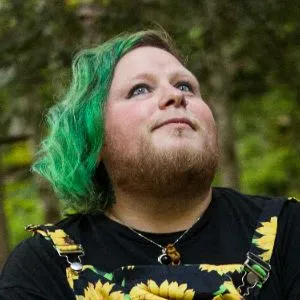
Dani Hummel (they/them) is a mixed media artist and author who does paid and unpaid work with The Willow Arts Community, Niagara Free Store, Niagara Movement School, and is on the board of directors for OPIRG Brock.
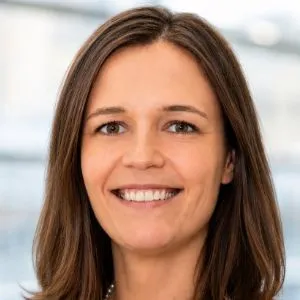
Dr. Anna M. Chudyk is an Assistant Professor in the College of Pharmacy, University of Manitoba and the host of asPERusual - a podcast for practical patient engagement. As a patient-oriented researcher, Anna’s research focuses on patient and care giver (i.e., family and friends) identified priorities and outcomes and engages patients and care givers as members of the research team. Her patient-oriented research program aims to enhance multi-level capacity for patient-oriented research and translate this capacity into patient-centred healthcare redesign.
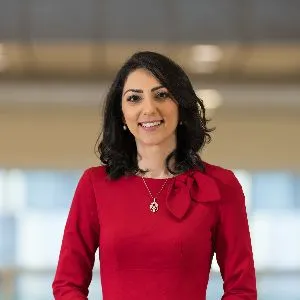
Dr. Roya Haghiri-Vijeh is an Assistant Professor in the School of Nursing at York University. Her research focuses on health equity and social justice, particularly among populations experiencing systemic marginalization. Her scholarship examines how intersecting social and structural factors, including migration, race, and gender, influence health experiences and access to care. Her work contributes to a greater understanding of health inequities and the importance of culturally responsive approaches to healthcare and service delivery.
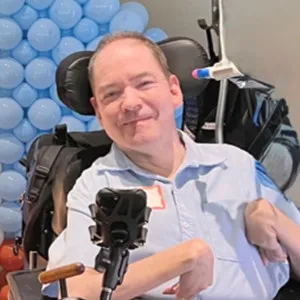
Greg A. McMeekin (J.D.) is Alberta’s Advocate for Persons with Disabilities. Greg has a law degree from the University of Calgary and a Bachelor of Arts in mass communications from Carlton University and brings his lived experience to his role as Advocate. Throughout his career, he has worked to promote advocacy for people with disabilities, their families, and supporters. As the Advocate, Greg believes strongly in empowering people with disabilities to reach their full potential.
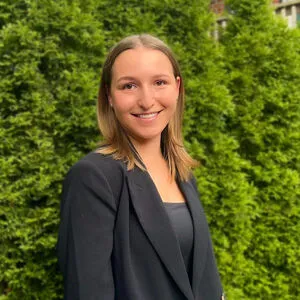
Hannah Denberg is currently a medical student at the University of Galway. Her research and academic work have largely focused on fetal alcohol spectrum disorder (FASD), including strengthening service providers’ capacity to support individuals with FASD and promoting healthy aging. With a passion for accessible health communication, Hannah is also the author of a children’s book about FASD. As an aspiring physician, she hopes to integrate research with clinical care, using evidence to inform practice and clinical experience to shape future research.
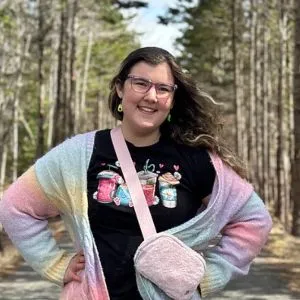
Jenna Kedy is a 22-year-old disability rights advocate, healthcare advocate, public speaker, and storyteller who uses her lived experience to drive meaningful change. Living with disabilities and chronic illnesses since childhood, she advocates for accessible healthcare, inclusion, financial security, and equal opportunities. A former Team Canada adaptive abilities cheerleader and two-time world champion, Jenna is in her fourth year of Family Studies at Mount Saint Vincent University. She collaborates with organizations across Canada and internationally, advocating for children, youth, families, and people with disabilities. Jenna is passionate about building a world where disabled people are heard, valued, included, and empowered to lead change.

Lauren Tristani is the Quality Assurance and Research Supervisor at Autism Ontario. Her work encompasses organizational research and evaluation, and community-engaged research initiatives, and collaborations with various stakeholders. She is particularly committed to research that meaningfully engages with and incorporates the perspectives of autistic individuals and their families. Her work emphasizes the critical examination of existing systems of support to identify gaps in service provision and inform the development of practical, evidence-informed solutions.
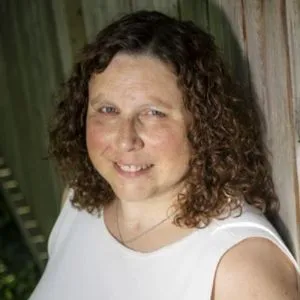
Laurie Proulx has over 15 years of experience as a patient partner in research and health policy, drawing on lived experience with disability and multiple chronic health conditions. She holds leadership and advisory roles across patient organizations, research initiatives, and health policy bodies, including serving as Executive Director of the Canadian Arthritis Patient Alliance.
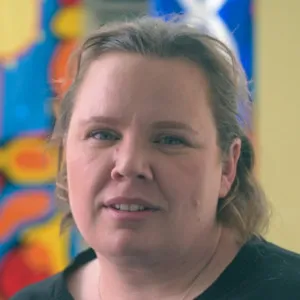
Lisa Engel (PhD, MSc OS/OT, OT Reg. (MB)) is a registered Occupational Therapist; a community-based researcher; and an Associate Professor at the University of Manitoba. The aim of her research is to understand and optimize the social and community participation and wellbeing of people who experience cognitive or mental health disability. She has two main research streams: (1) financial capability, capacity, and wellbeing of people living with disabilities and (2) meeting unmet needs to optimize the quality of life after brain injury. These areas of research came from her personal, clinical, and community-based relationships. Lisa identifies as neurodivergent.
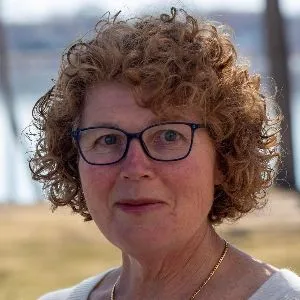
Lori Vaanholt is the National Director of Public Engagement and Social Policy at L’Arche Canada, where she leads national efforts to advance disability rights, inclusive public policy, and the leadership of people with intellectual disabilities. Her work is grounded in learning from and alongside people with intellectual disabilities, whose experiences offer important insights into relationships, belonging, interdependence, and what makes a good life. She works with people with intellectual disabilities, researchers, disability organizations, communities, and government to strengthen co-leadership and bring this learning into how we understand social issues, develop public policy, and make decisions that shape our collective lives.
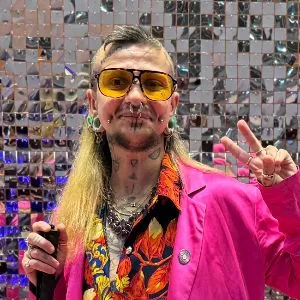
Opre Roma, Luca Gheorghica is one of the Co-Chairs of the Community Advisory Board (CAB) for the 2SLGBTQ+ Poverty in Canada Project. Luca is a legally blind, international Romani, community-based transgender advocate & local artist, and drag performer.
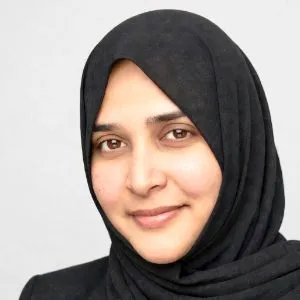
Nadia Osman is a dedicated healthcare researcher at Memorial University of Newfoundland, specializing in community-based support systems through the Diabetes Catalyst Program. Deeply committed to health equity, her work focuses on optimizing resources and care for individuals navigating diabetes within local communities. By seamlessly bridging the gap between academic research and grassroots fieldwork, Nadia designs practical frameworks that directly empower local community workers. Her impactful research informs sustainable, community-led health solutions, ensuring vulnerable populations receive tailored advocacy and vital care. Ultimately, Nadia’s efforts build long-term provincial resilience, advancing equitable chronic disease management and collective well-being across Newfoundland and Labrador.
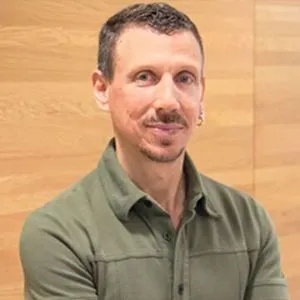
Nick Mulé, PhD, is a Professor of Social Work cross appointed to Gender, Sexuality and Women’s Studies at York University in Toronto, and is the Project Director of the 2SLGBTQ+ Poverty in Canada Study.
The 2SLGBTQ+ Poverty in Canada Study is on YouTube and TikTok.
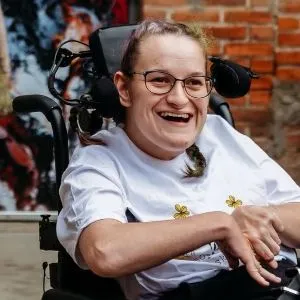
Quinn Smith-Windsor is a disabled artist, entrepreneur, and advocate. She has been involved with Disability Without Poverty since 2021. She is a fourth-year student at Toronto Metropolitan University, working towards a B.A. in Disability Studies, and a recipient of the Terry Fox Humanitarian Award. Quinn’s current research interests include ending disability poverty, equitable access to post-secondary education, and accessible healthcare. She combines autoethnography and artivism to contribute her lived experience, voice and knowledge to research. Her long-term goal is to grow her small business, The Possability Shop, into a disability consultancy, while continuing to create art and advocate.
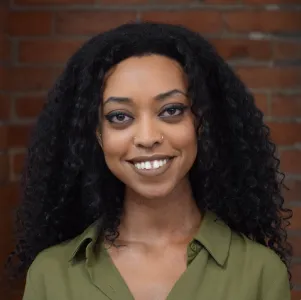
Rayanne Banaga is a Researcher at Race & Disability Canada. She leads the Culture Disability and Inclusion (CDI) Project, a community-led, emancipatory research and capacity building initiative exploring the lived experiences of racialized people with disabilities in Canada and 10 global locations across Africa, Southeast Asia, East Asia, the Middle East, and South America to learn how disability is understood across cultures. Her focus is ensuring community knowledge drives both the research methodology and its outcomes. That means building research with the people most affected and turning what they share into practical evidence that can shift policy and practice, especially for communities whose knowledge has long been dismissed.
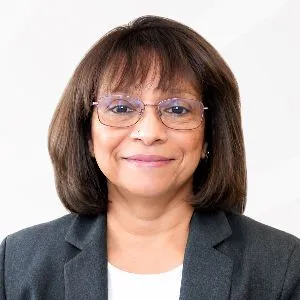
Rohini Peris (she/her) is President and CEO of the Environmental Health Association of Québec (ASEQ-EHAQ) and the Environmental Health Association of Canada (EHAC-ASEC). With more than three decades of experience in multiple chemical sensitivity (MCS), she leads research, education, and advocacy initiatives focused on disability rights, environmental accessibility, healthcare access, and social inclusion. Her work brings together scientific evidence, lived experience, and policy development to address systemic barriers faced by people with MCS. She collaborates with researchers, healthcare professionals, disability organizations, and government institutions to advance evidence-informed policies and meaningful accessibility.

Rubina Yeasmin is a Master’s student in Development Studies at York University and a research assistant on the 2SLGBTQ+ Poverty in Canada study. She worked with UNFPA Bangladesh supporting emergency response, including designing a disability-inclusive menstrual hygiene kit and dignity kits, and working on accessible mental health support.
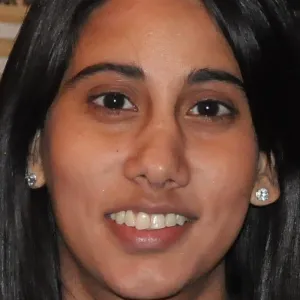
Sarina Mawji is a community development and systems-change leader with over two decades of experience in municipal recreation, youth development, training, and community engagement. As the founder of Chronicology™, her work sits at the intersection of lived experience and systems thinking. Drawing on her experience as a patient, caregiver, and disability advocate, she explores how policies, systems, and administrative barriers shape people’s everyday lives. Her work spans patient partnership, healthcare navigation, disability inclusion, and policy conversations, with a focus on connecting people, identifying barriers, and translating complex challenges into practical opportunities for change.
Sarina can be reached by email at chronicology.connect@gmail.com
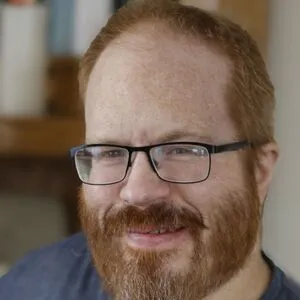
I’m an award-winning author, inspirational speaker, disability advocate and founder of Crocker’s Transformative Thinking in St. John’s, Newfoundland and Labrador. Born with arthrogryposis, I draw on lived experience of disability, poverty, homelessness, addiction recovery and rebuilding my life. Through my books, speaking, community work and one self-paced online course, I explore resilience, identity, accessibility, dignity and belonging. My work connects everyday experiences with wider questions about inclusion, access to support and the barriers that can limit people’s opportunities.
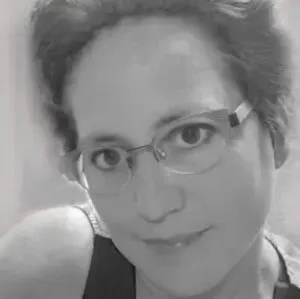
Shelley Petit (B.Ed., M.Ed.) has served as Chair of the NB Coalition of Persons with Disabilities since 2020. In this role, she has witnessed significant gaps in supports for the more than one in three New Brunswickers living with disabilities. A strong advocate for equity and inclusion, she has contributed to national and provincial initiatives through organizations including the Accessible Housing Network, DWP, ACORN NB, and the Association Environmental Societal Quebec, advancing clean indoor air quality and fragrance-free environments. Most recently, she intervened before the Public Utilities Board to advocate for lower electricity rates for vulnerable persons. Shelley remains committed to advancing equity and equality for persons with disabilities across all areas of life.
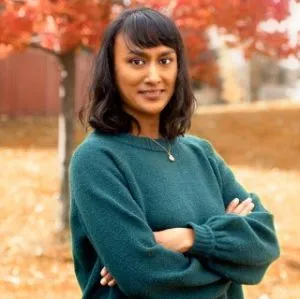
Sowmya Rajasekaran is the Program Coordinator at Disability Alliance Canada. Disability Alliance Canada is a national non-profit and works to support people with disabilities across Canada in accessing the benefits to which they are entitled.
She is a passionate advocate for disability inclusion and accessibility, she is committed to challenging barriers, raising awareness, and fostering environments where everyone feels valued and included.
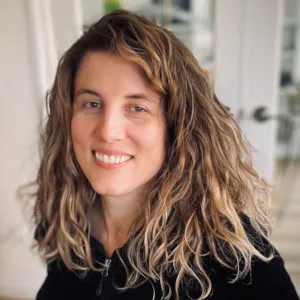
Stephanie Chipeur holds the Azrieli Accelerator Professorship in Law & Disability Policy at the University of Calgary's Faculty of Law and the School of Public Policy. Stephanie has a JD from the University of Toronto Faculty of Law and is a member of the Law Society of Ontario. She completed her master's and doctoral degrees at McGill University’s Faculty of Law. As a wheelchair user, Stephanie brings lived experience to her research on disability law and policy."
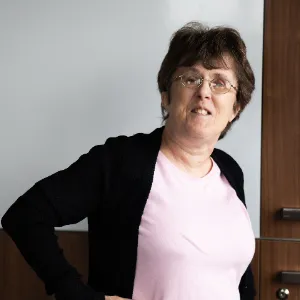
Theresa Somerton is Co-Founder and Finance Lead of Lifetime Abilities, based in Belleville, Ontario. She speaks from direct experience as a person who has received care and support and has spent years navigating complex health care and social support systems. Theresa served eight years as a Director at Large on the Community Living Ontario Board of Directors and has given more than 15 years to rights committee work, today with Community Living Quinte. She is a member of Quinte Speaks Up and a recipient of the James Montgomery Honour Award. Her message is simple: see the person before the label.
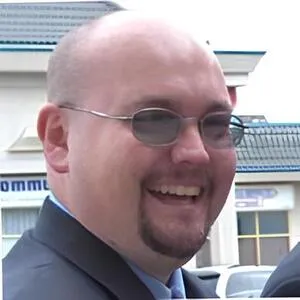
Ty Ragan, Psy. D (Doctor of Psychology) (he/his/him), PTSD, PNES, stroke survivor, TBI x2, neuro-spicy, partner of 1, father of 2 (one medically complex), advocate, writer, speaker, educator, Trekkie, Whovian, Robin Hoodologist, Ancient Aliens and the Weird, comic geek, mixed heritage Settler and connections with Indigenous folks, Generation X, current events and politics engaged, sober, practical researcher, philosopher and theologian on belonging.
Online you can find me on Substack (A Monk's Musings) and ORCID
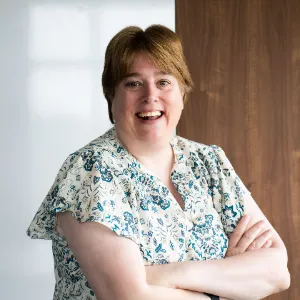
Yvonne Spicer is Co-Founder and Strategic Growth Lead of Lifetime Abilities, based in London, Ontario. She speaks from direct experience as a person who has received care and support, and speaks up for people with disabilities on housing, employment, and income. Yvonne has sat on the Ontario Disability Support Program Policy and Research Committee for more than 16 years and serves on the Autism Canada Board of Directors. In 2023, she spoke on a United Nations panel in New York on national autism strategies and rights. She received the Queen Elizabeth II Platinum Jubilee Award and the Jason Rae Award.
Partners